
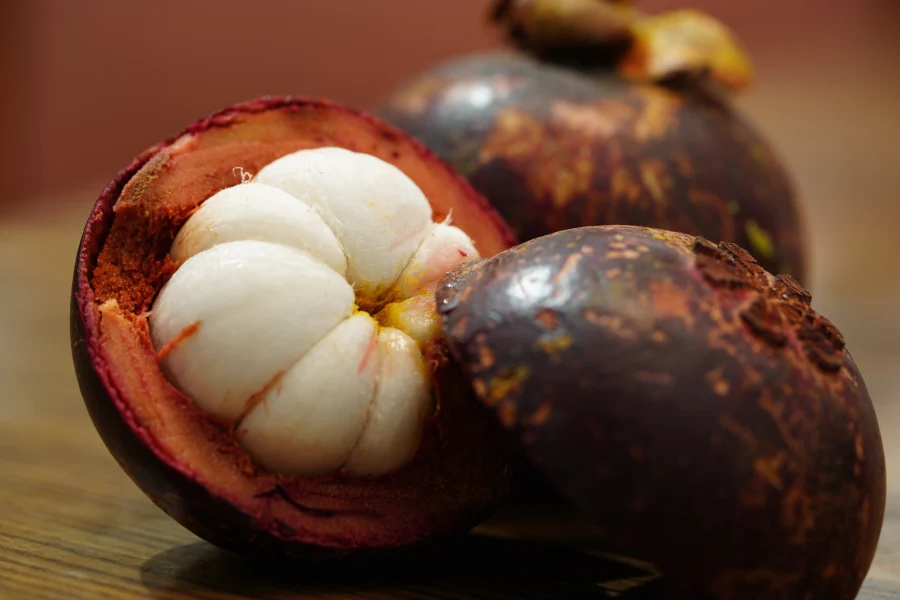
Crack open a fruit the size of a tangerine with a dark purple rind and you find something unexpected: snow-white segments, soft and juicy, with a faint floral aroma. That contrast helps explain why mangosteen is known across tropical Asia as the queen of fruits.
It is prized for a delicate sweet-tart flavor, but in recent years it has also become a staple of wellness marketing, where bold health claims often run well ahead of the evidence.
This article covers where mangosteen comes from, how it is grown, what it offers nutritionally, how to pick and eat it, and which of the health promises deserve a skeptical eye.
What Is Mangosteen?
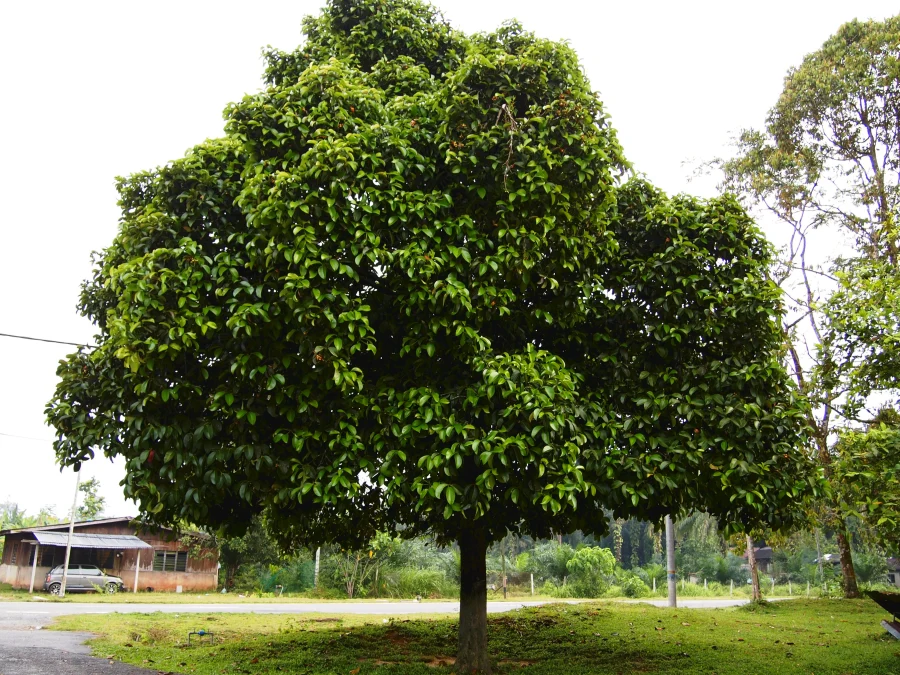
Mangosteen is the fruit of Garcinia mangostana, a slow-growing tropical evergreen. Despite the similar name, it is not related to the mango, and the two fruits taste nothing alike.
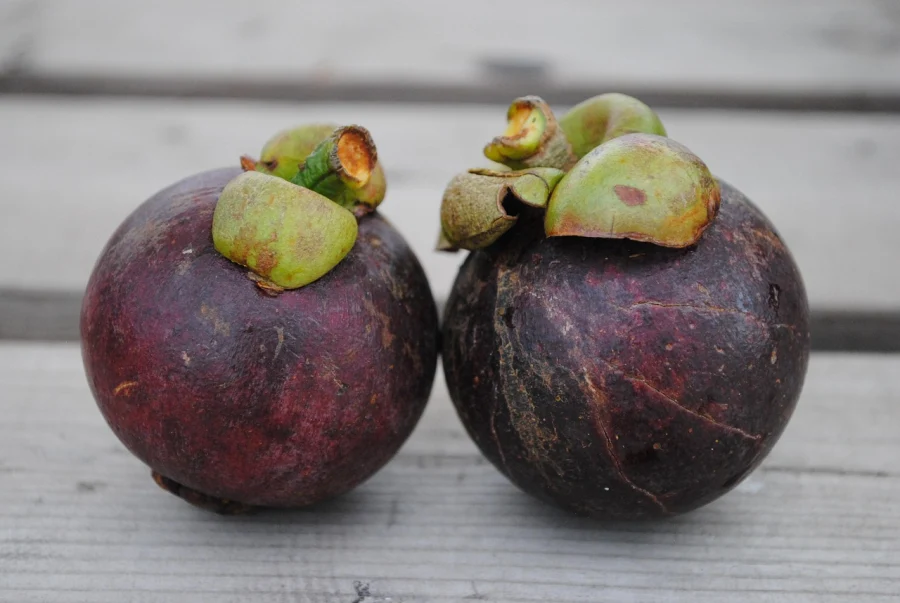
The fruit is roughly the size of a small orange, wrapped in a thick, leathery rind that turns deep purple when ripe. Inside are four to eight white segments arranged like tiny orange wedges.
A useful trick: the number of segments usually matches the number of small lobes on the fruit’s base, so you can guess what you will find before you open it.
The flavor is where mangosteen earns its reputation. The flesh is sweet and tart at once, with a floral quality and a texture that nearly melts in the mouth.
People often compare it to a blend of lychee, peach, and citrus, though fans insist no comparison quite captures it.
Origins and History
Mangosteen is native to the Malay Archipelago in Southeast Asia, where it has been cultivated for centuries. Over time, traders and plant collectors carried it to other tropical regions, including parts of India, the Caribbean, and Central America, though it has never thrived as widely as some other tropical fruits.
The most famous story in mangosteen lore involves Queen Victoria, who supposedly offered a knighthood to anyone who could deliver a fresh mangosteen to England. The tale is charming, but there is no reliable record of it, and it is best treated as legend. It likely endures because the fruit is so perishable that getting it to Europe intact was genuinely difficult.
Long before it was a wellness trend, mangosteen had a place in folk medicine. Healers in Southeast Asia used the dried rind, leaves, and bark in remedies for diarrhea, skin infections, and wounds.
Growing and Harvesting
Mangosteen is a demanding crop. The trees need hot, humid, rainy conditions year-round, deep moist soil, and no frost. They are also remarkably slow, often taking eight to ten years or more to produce their first fruit.
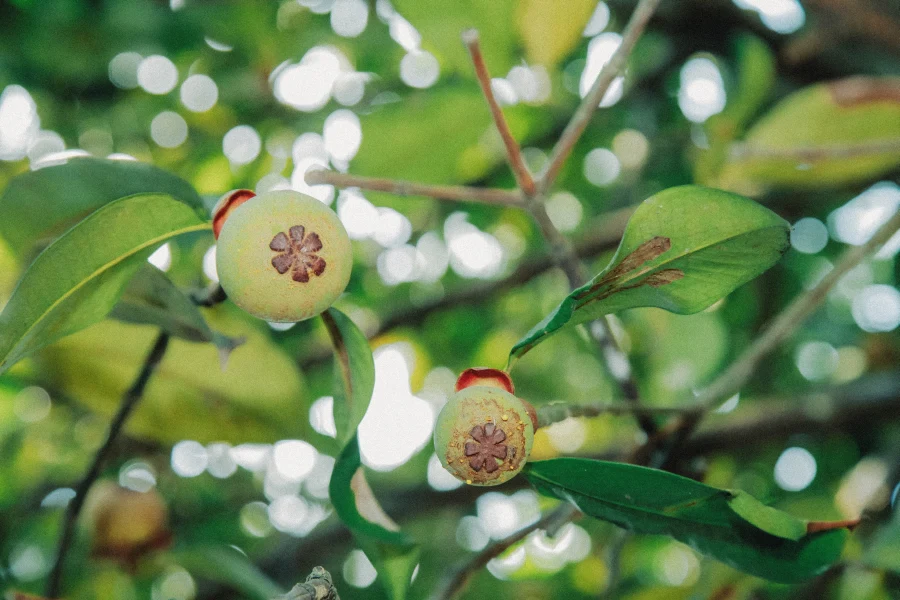
That long wait, combined with a narrow climate range, explains why the fruit never became a plantation staple like bananas or pineapples.
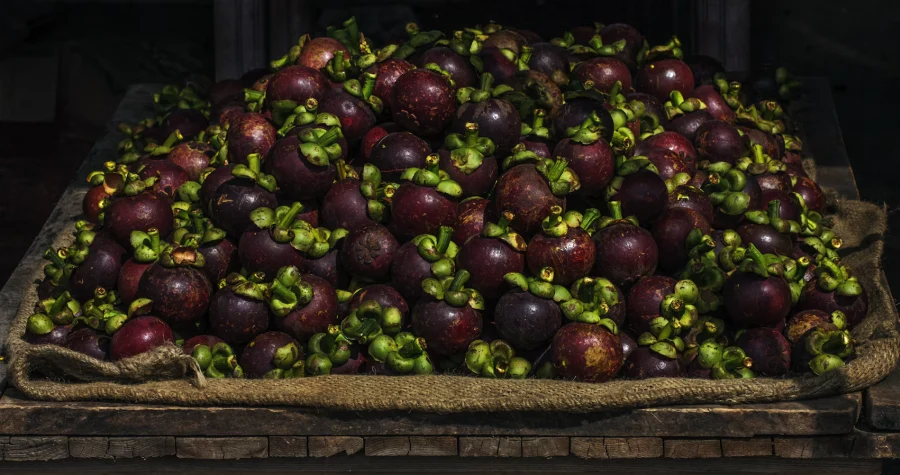
Thailand, Indonesia, Vietnam, the Philippines, and Malaysia are the main producing countries, with Thailand among the leading exporters. Fruit is generally harvested by hand once the rind begins to color, since it bruises easily and ripens quickly after picking.
Seasonality adds another constraint: depending on the region, mangosteen typically has one or two harvest windows a year, so fresh fruit is available for only a few months at a time.
Nutrition Profile
Mangosteen flesh is light and refreshing rather than a nutritional heavyweight. A 100-gram serving provides roughly 60 to 75 calories, mostly from natural sugars, along with a couple of grams of fiber. It also supplies modest amounts of folate, manganese, magnesium, and vitamin C.
Compared with fruits such as guava or papaya, which are far richer in vitamin C, mangosteen is a pleasant source of nutrients rather than a standout one.
The compounds that draw the most attention are xanthones, a family of plant pigments with antioxidant properties. Antioxidants help neutralize unstable molecules called free radicals, at least in laboratory settings.
Importantly, xanthones are concentrated in the rind, not in the part people eat, and that distinction matters when you read the health claims below.
Health Benefits and Safety: What the Science Says
Much of the excitement about mangosteen centers on alpha-mangostin, a xanthone found mainly in the rind. In cell and animal studies, it and related compounds have shown antioxidant, anti-inflammatory, and antimicrobial effects, and some work has explored possible anticancer activity.
These findings are interesting, but they are early. What is missing is strong human clinical evidence. The trials that exist are small and short, and results from a petri dish or a mouse often fail to hold up in people.
That gap has not stopped the marketing. Juices, capsules, and powders made from the rind or whole fruit are sold with “miracle” promises. In the United States, dietary supplements are not reviewed for effectiveness before they reach shelves, so potency and quality vary widely between products.
Eating fresh mangosteen in normal amounts is generally considered safe. Concentrated extracts are another matter. Some laboratory evidence suggests they may slow blood clotting, so people who take blood thinners or have surgery coming up should be cautious.
There is also too little safety data to recommend extracts during pregnancy or breastfeeding. Anyone considering a supplement should talk with a doctor or pharmacist first.
How to Select, Store, and Open Mangosteen
Look for fruit with a deep purple, slightly glossy rind that yields a little under firm thumb pressure. A rind that feels rock hard or looks dry and shriveled usually means the fruit is old. A fresh green calyx, the leafy cap at the top, is another good sign.
To open one, press the fruit between your palms until the rind cracks, or score a shallow line around the middle with a knife and twist the halves apart. Lift out the white segments.
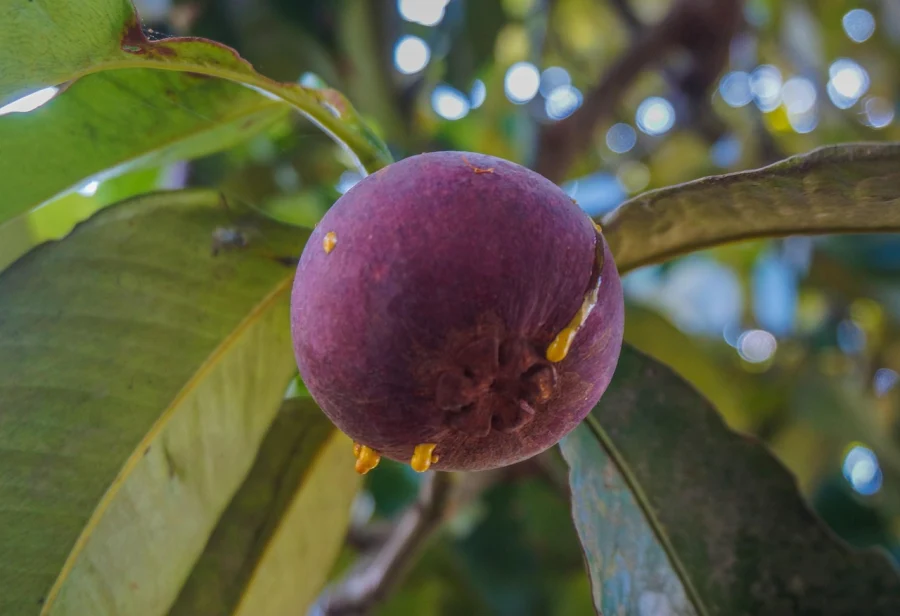
Work carefully, because the rind releases a sap that can stain fingers, cloths, and clothing. Skip the rind itself, which is bitter, and discard any seed you find in the larger segments.
Whole fruit keeps at room temperature for a few days and in the refrigerator for about a week. Separated segments can also be frozen.
Culinary Uses
The simplest way to enjoy mangosteen is chilled and fresh, eaten segment by segment. In Southeast Asia it is mostly treated as a seasonal treat, though it also turns up in desserts and drinks.
The flesh blends well into smoothies, sorbets, fruit salads, and compotes. Its floral sweetness pairs nicely with coconut milk, lime, mint, ginger, pineapple, and berries, and a mangosteen-lime sorbet is hard to beat on a hot day.
Fresh fruit is not always an option, so canned mangosteen in syrup and frozen flesh or pulp are common alternatives. They lose some of the delicate aroma and texture, but they are easier to find and handy for blending.
Availability and Where to Buy
Outside Asia, fresh mangosteen is expensive and sometimes impossible to find. Its short shelf life, delicate handling needs, and limited harvest all push up prices. Regulation has played a role too.
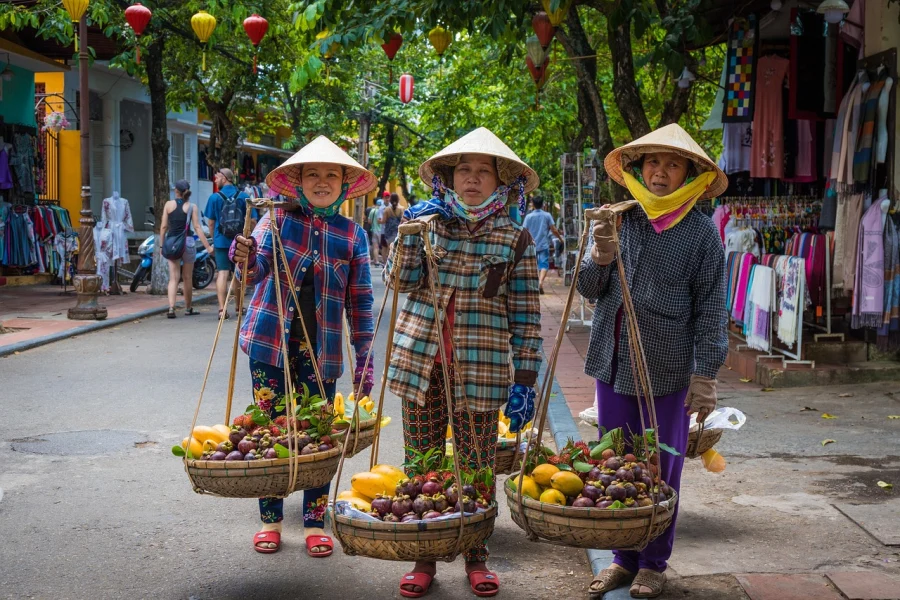
The United States banned fresh mangosteen imports in 1912 over pest concerns, including fruit flies, and only began allowing them again in 2007, when fruit from Thailand became eligible after treatment with irradiation. Supply remains modest and seasonal.
Your best bets are Asian grocery stores, specialty produce shops, and online fruit importers. If fresh fruit is out of reach, frozen or canned products are more reliable options.
Conclusion
Mangosteen deserves its regal nickname for flavor alone: a fragrant, juicy, sweet-tart fruit unlike anything else in the produce aisle.
It offers modest nutrition, a fascinating history, and plenty of scientific curiosity, but the dramatic health claims attached to supplements are not backed by solid human research.
Enjoy it as a delicious fruit, not a cure. If you spot fresh mangosteen at a nearby market, buy a few and try it.
Q&A
Why do hotels not allow mangosteen?
Mangosteen is not generally banned by hotels. This question is usually a mix-up with durian, the “king of fruits,” whose strong smell gets it banned in many hotels and on public transport across Southeast Asia. Mangosteen has a mild, pleasant aroma. The one practical issue is that the rind releases a sap that stains fabric, so a hotel may ask guests to be careful with sheets and towels. If you plan to bring some, check the hotel’s policy first.
What is mangosteen fruit good for?
Fresh mangosteen is a light, refreshing snack that provides fiber, vitamin C, folate, manganese, and magnesium in modest amounts. It also contains antioxidant plant compounds called xanthones, though most of these are found in the rind rather than the edible flesh. Claims that mangosteen can treat or prevent disease are not supported by strong human research, so it is best enjoyed as a nutritious fruit rather than a remedy.
Why is mangosteen so rare?
Mangosteen trees need hot, humid, frost-free conditions and often take eight to ten years to bear their first fruit, so large-scale farming is slow and limited to a few tropical regions. The fruit also bruises easily and spoils quickly, which makes shipping difficult. Seasonal harvests and past import restrictions, such as the US ban that lasted from 1912 until 2007, add to the scarcity and keep prices high outside Asia.
When should you not eat mangosteen?
Avoid fruit that feels rock hard, looks shriveled, or has brown, mushy, or fermented-smelling flesh, as these are signs it is overripe or spoiled. Do not eat the bitter rind. Concentrated mangosteen extracts and supplements may slow blood clotting, so people who take blood thinners or have surgery coming up should talk to a doctor first. The same applies during pregnancy or breastfeeding, since safety data is limited. Stop eating it if you notice any allergic reaction.