
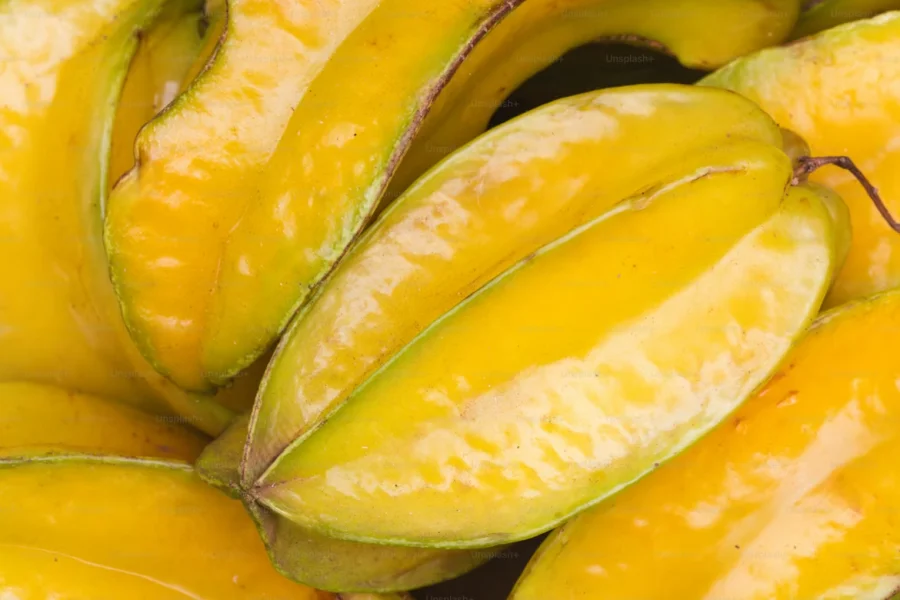
There are fruits you eat, and then there are fruits you experience. Star fruit, with its waxy golden skin, dramatic five-pointed cross-section, and refreshingly crisp bite – belongs firmly in the second category. It’s the kind of fruit that makes people stop mid-conversation when you slice it.
And yet, outside of Southeast Asia and tropical grocery stores, it remains surprisingly underappreciated. That’s about to change. Whether you’ve never tried it or you’re looking to make it a regular part of your diet, here’s everything you need to know about one of nature’s most photogenic and delicious offerings.
What Exactly Is Star Fruit?
Star fruit, known botanically as Averrhoa carambola, is a tropical fruit native to Southeast Asia, particularly Malaysia, Indonesia, and the Philippines. It takes its common name from the obvious: when sliced crosswise, each piece forms a perfect five-pointed star. The fruit grows on small, bushy trees that thrive in warm, humid climates and can produce fruit twice a year under the right conditions.
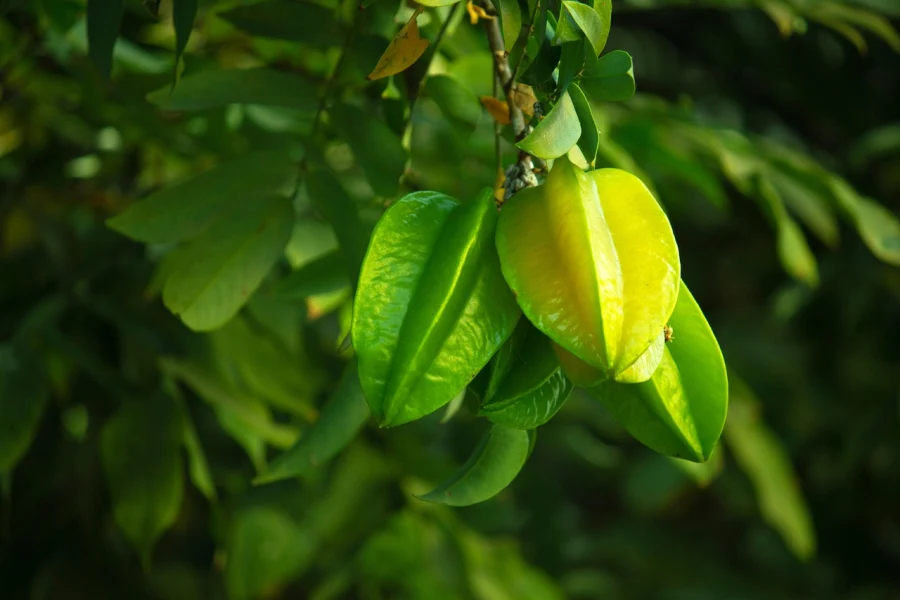
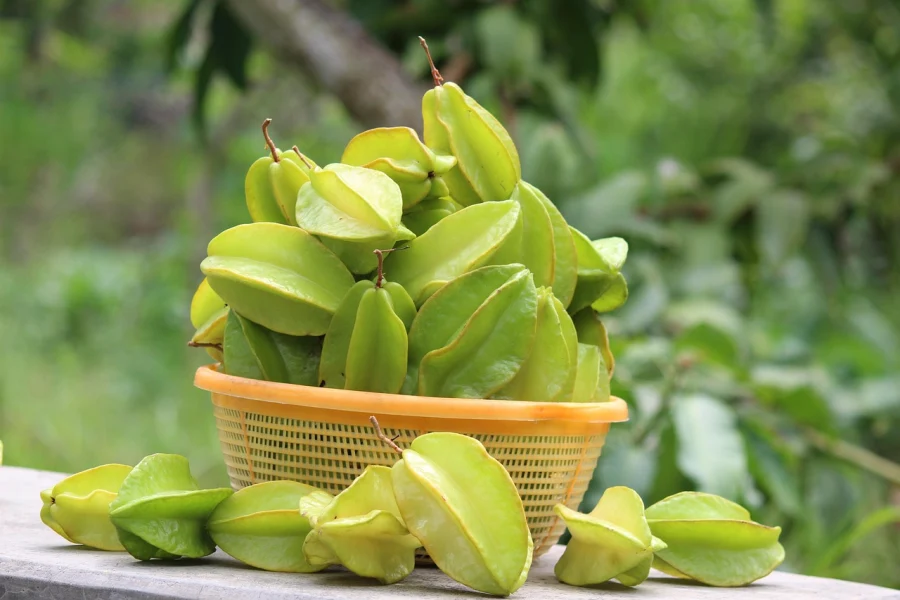
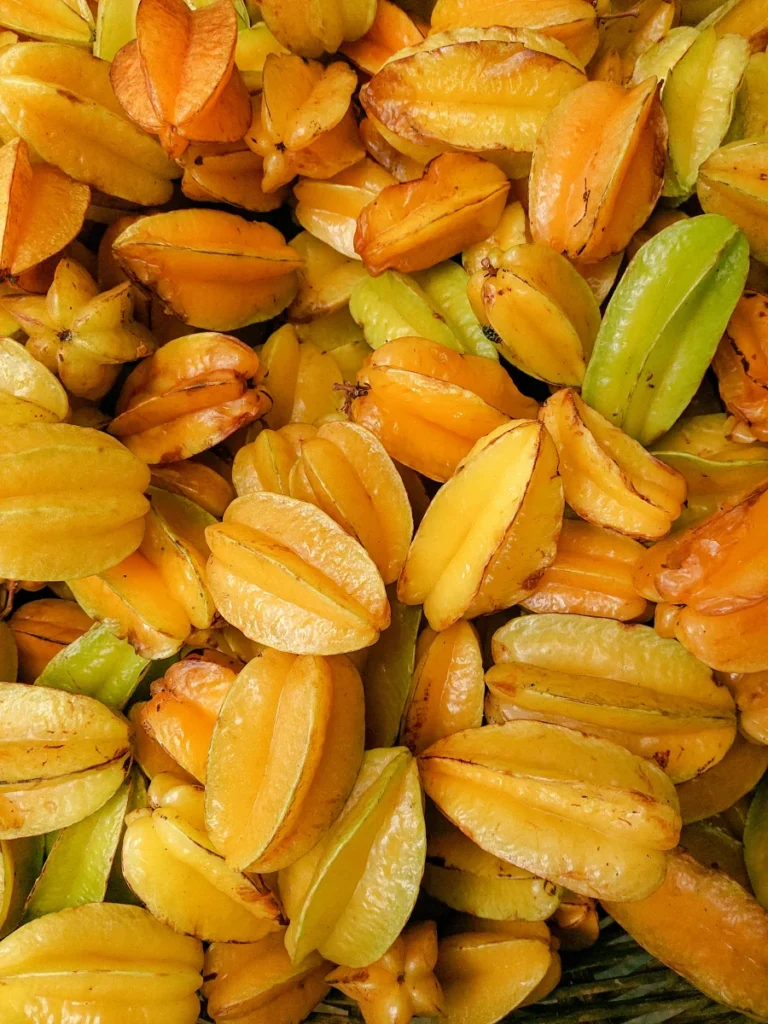
The fruit itself is oblong, typically three to five inches long, with smooth, waxy, edible skin that ripens from pale green to a vibrant golden yellow. Its flesh is translucent, juicy, and crunchy – somewhere between a grape and a crisp apple in texture. The entire fruit is edible, skin included, which makes it as convenient as it is beautiful.
There are two main varieties: sweet and tart. Sweet varieties, which are more common in grocery stores, have a mild, honeyed flavor with subtle citrus undertones. Tart varieties carry a sharper, more acidic punch and are often preferred for cooking, juicing, or use in savory dishes.
The ripeness of the fruit also plays a major role, a greener star fruit will lean sour and firm, while a fully golden one with slightly browned edges is at its sweetest and most aromatic.
Taste and Texture: What to Expect
If you’ve never tasted star fruit before, the closest comparison would be a blend of apple, pear, and a mild citrus like white grape or cucumber. It’s light and refreshing rather than intensely sweet, which makes it incredibly versatile. The crunch is satisfying without being hard, and the juiciness makes each bite feel clean and hydrating.
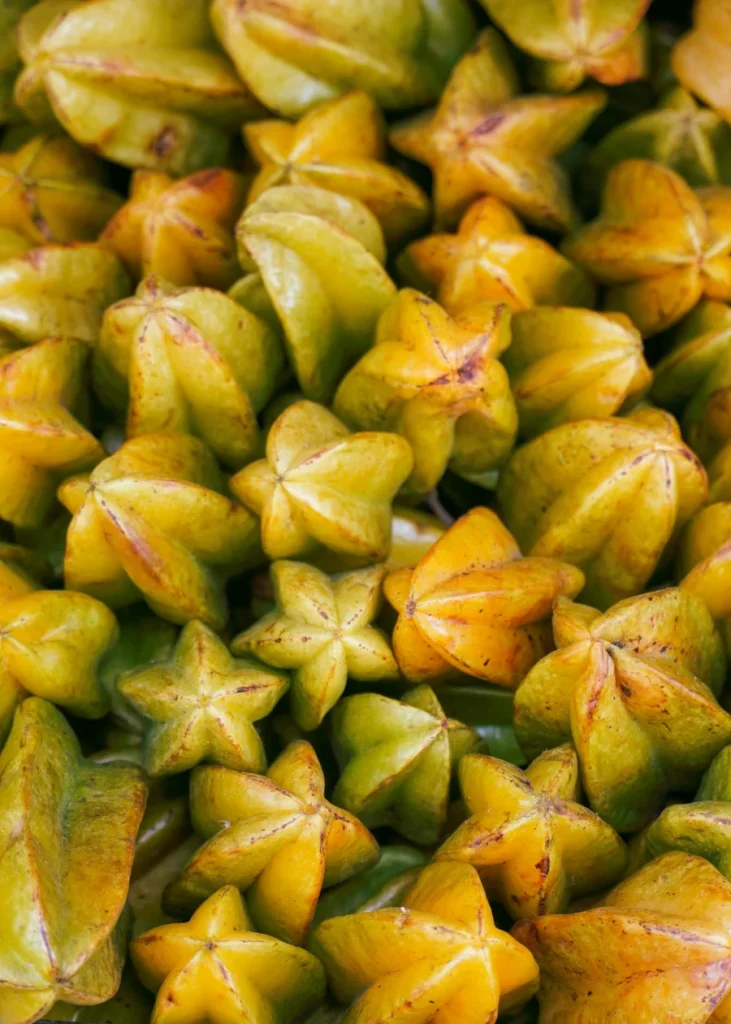
Ripeness makes a dramatic difference. An underripe star fruit can be quite tart and astringent, while a perfectly ripe one offers a floral sweetness that’s genuinely lovely. The smell of a ripe star fruit is subtle but pleasant: faintly perfumed, like a cross between jasmine and fresh citrus.
One thing most people notice immediately: it’s not heavy or overwhelming. It won’t coat your tongue the way a mango does, and it lacks the aggressive tartness of a passion fruit. This makes it an excellent choice for people who want fruit flavor without the sugar overload.
Nutritional Profile
Star fruit may be light in flavor, but it pulls its weight nutritionally. A single medium star fruit (roughly 91 grams) contains only about 28–30 calories, making it one of the most calorie-efficient fruits you can eat. Despite that low calorie count, it delivers a respectable nutritional profile.
It’s a good source of Vitamin C, providing around 35–50% of the recommended daily intake per fruit, which supports immune function and skin health. It also contains Vitamin B5 (pantothenic acid), which plays an important role in energy metabolism, along with Vitamin B9 (folate), which supports cell growth and is particularly important during pregnancy.
Star fruit is also notable for its dietary fiber content, which supports digestive regularity and helps maintain steady blood sugar levels. It contains meaningful amounts of copper, potassium, and magnesium, along with a variety of antioxidants, including quercetin, epicatechin, and gallic acid – that help combat oxidative stress in the body.
One important caution: Star fruit contains oxalic acid, which can be dangerous for people with kidney disease or kidney stones. The fruit also contains a neurotoxin called caramboxin that healthy kidneys filter out easily, but which can accumulate to harmful levels in those with compromised kidney function. If you have any kidney-related health conditions, consult your doctor before eating star fruit.
Health Benefits
For those without kidney concerns, star fruit offers a range of genuine health benefits backed by its nutritional composition.
Its high antioxidant content helps reduce inflammation throughout the body, which is increasingly linked to chronic diseases ranging from heart disease to certain cancers. The quercetin and epicatechin found in star fruit are particularly well-studied for their anti-inflammatory and cardiovascular-protective effects.
The Vitamin C content supports not just immune health but also collagen synthesis, which benefits skin elasticity, wound healing, and joint health. Regular consumption of Vitamin C-rich foods is associated with better skin texture and reduced signs of aging over time.

Star fruit’s dietary fiber promotes healthy digestion by supporting beneficial gut bacteria and adding bulk to support regular bowel movements. Fiber also slows glucose absorption, which can help with blood sugar management – a benefit relevant to the millions of people managing or at risk for type 2 diabetes.
The fruit’s high water content (around 90%) makes it naturally hydrating, and its potassium content supports healthy blood pressure by helping counterbalance the effects of sodium in the diet.
How to Pick, Store, and Prep Star Fruit
Choosing a good star fruit is straightforward once you know what to look for. Look for fruits that are fully yellow with little to no green remaining. Slight browning along the ridges is actually a sign of peak ripeness , don’t be put off by it. The fruit should feel firm but give very slightly to pressure, similar to a ripe pear. Avoid fruits with large brown soft spots, wrinkled skin, or a fermented smell.
For storage, a ripe star fruit will keep on the counter for two to three days. If it’s still slightly green when you bring it home, leave it at room temperature to ripen. Once fully ripe, it can be refrigerated in a sealed bag or container for up to a week.
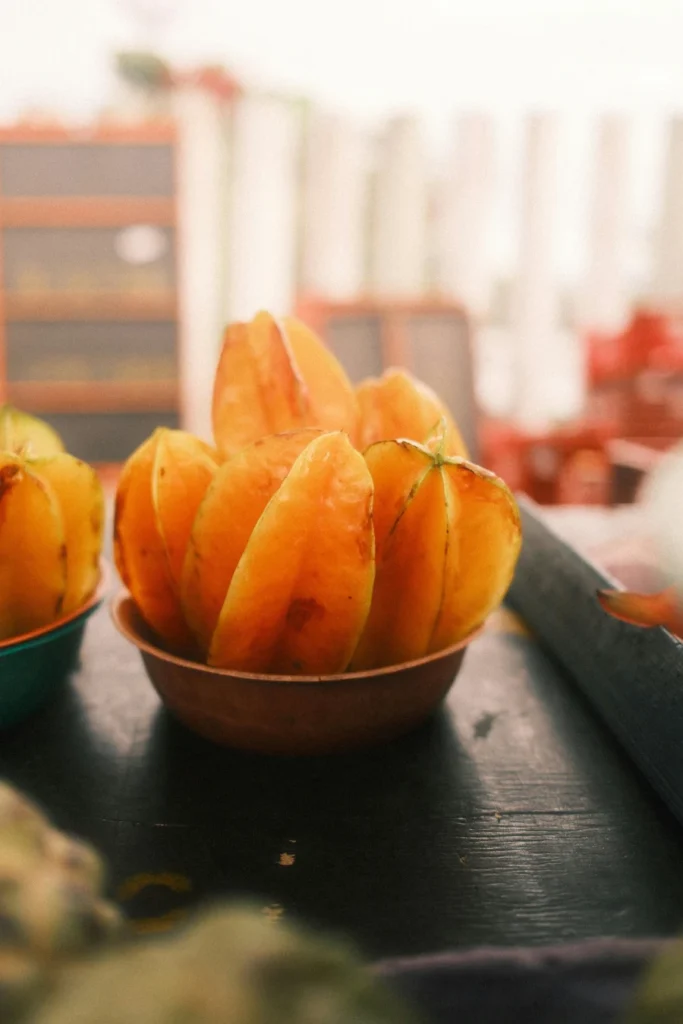
Prepping star fruit is one of its great joys. Simply rinse it well, trim the ends, slice crosswise to the desired thickness, and pick out any seeds (they’re small and sparse). The skin is fully edible and adds a slight chew. That’s it – no peeling, no pitting, no mess.
How to Eat and Use Star Fruit
Star fruit is endlessly versatile. Here are some of the best ways to enjoy it:
Fresh eating is the simplest and often the best approach. A plate of star fruit slices with a light sprinkle of chili salt or Tajín is a beloved preparation across Southeast Asia – the heat, salt, and tartness all amplify the fruit’s natural sweetness beautifully.
In salads, star fruit adds crunch, color, and a bright acidic note. It pairs well with arugula, cucumber, shrimp, avocado, and citrus dressings. In fruit salads, it holds its texture far better than softer fruits.
For juicing and smoothies, the tartness of slightly underripe star fruit works particularly well. Blend it with pineapple, ginger, and coconut water for a genuinely refreshing tropical drink. It can also be pressed into a clear, delicate juice on its own.

In cooking, star fruit shines in chutneys, jams, stir-fries, and braised dishes, especially alongside pork or fish. Its natural tartness mirrors the role that tamarind or green mango plays in many Southeast Asian recipes. A star fruit chutney with ginger and brown sugar alongside grilled pork tenderloin is a combination worth trying.
As a garnish, the star-shaped slices are unbeatable for cocktails, mocktails, dessert plates, and charcuterie boards. Drop a thin slice into a gin and tonic or onto the rim of a tropical cocktail and it immediately elevates the presentation.
Fun Facts and Cultural Significance
Star fruit holds a meaningful place in the cultures where it grows natively. In Malaysia and China, it is often associated with good fortune, and the fruit is commonly served during festive occasions and celebrations. In traditional Ayurvedic medicine, various parts of the carambola tree, including the leaves and unripe fruit – have been used to treat conditions ranging from fever to skin rashes.
In the Philippines, star fruit (known locally as balimbing) is a beloved souring agent in savory stews and soups, playing a role similar to tamarind in other regional cuisines.
Interestingly, the word balimbing in Filipino slang has come to mean a political turncoat, a person who switches sides – referencing the fruit’s many sharp, shifting ridges. Language shaped by fruit, which feels exactly right.
The Bottom Line
Star fruit is the rare ingredient that delivers on every level: it’s beautiful, nutritious, delicious, and easy to work with. Whether you slice it fresh, blend it into a juice, or use it to finish a savory dish, it brings a brightness and visual drama that few other fruits can match.
The next time you spot one at the market, that gleaming golden curve in the produce aisle – pick it up. You’re in for something special.
Q&A
What are star fruit benefits?
Star fruit is rich in vitamin C, fiber, and antioxidants, which support immunity, digestion, and overall health. Its nutrients may help reduce the risk of heart disease, diabetes, and high blood pressure, while also aiding healthy weight management and improving digestion.
Can you eat star fruit raw?
Yes, you can enjoy star fruit raw. It’s commonly eaten fresh thanks to its crisp texture and sweet‑tart flavor, and it can also be added to salads, smoothies, or desserts. Just be aware that people with kidney issues should avoid it due to certain compounds it contains.
How many star fruits can I eat in one day?
Most healthy individuals can safely enjoy star fruit in moderation, typically one to two fruits per day. However, those with kidney problems should avoid it entirely because of the risk of harmful side effects.
Is star fruit high in sugar?
Star fruit is not high in sugar compared to many other tropical fruits. Its mild sweetness comes with fewer calories and less sugar, making it a good option for those watching their sugar intake.